Framer vs Webflow in 2026: Design Speed or Operational Depth?
Framer vs Webflow 2026: launch dates, valuations, market scale, pricing, AI, enterprise badges, and a clear pick for your startup’s scaling stage.
In 2026, the no-code platform decision for startups has narrowed to one question: do you need design speed or content depth?
Framer 🇳🇱 (Amsterdam) builds the fastest path from idea to published site. Webflow 🇺🇸 (San Francisco) builds the most powerful no-code CMS and enterprise infrastructure available. Both are excellent. They are not the same product.
This guide gives you the data, the trade-offs, and a clear pick for your stage.
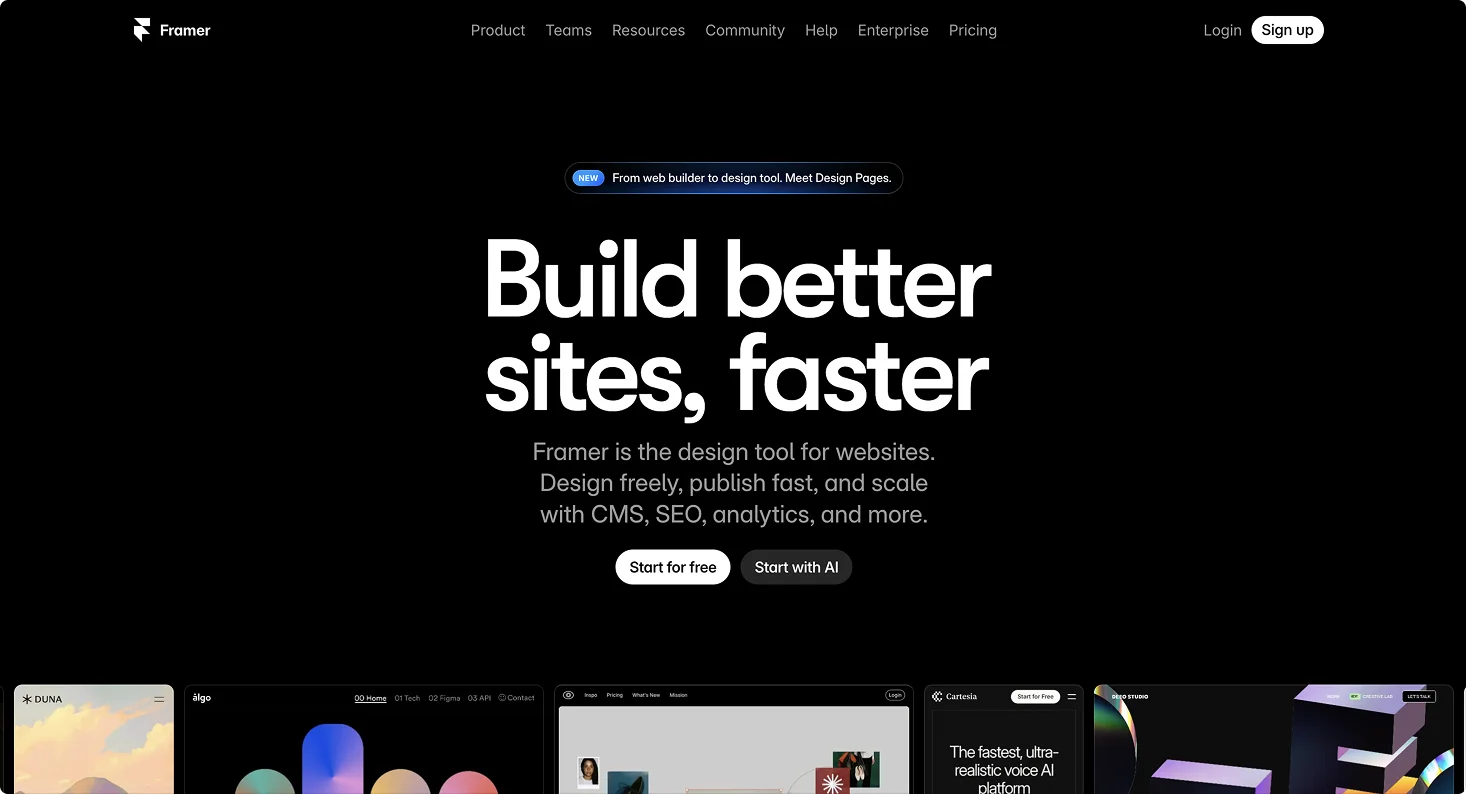
Framer: 232,000+ live sites · 500k+ MAU · $50M ARR (profitable 2025) · $2B valuation after $100M Series D in August 2025.
Omnius.so · BuiltWith, April 2026
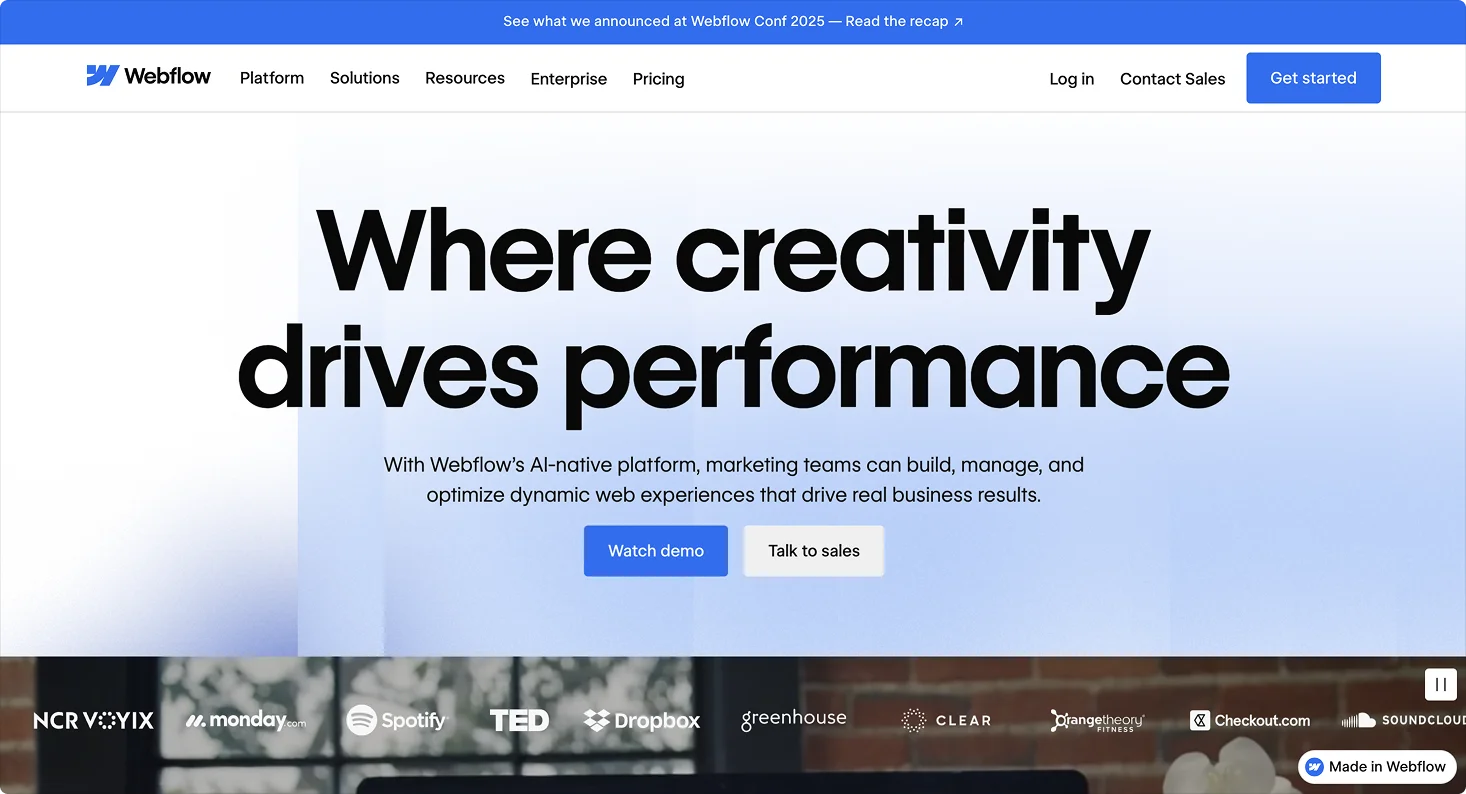
Webflow: 822,550+ live sites · 1,000+ employees · SOC 2 Type II + ISO 27001 · used by TED, Dropbox Sign, Dell, MURAL.
FlowNinja · BuiltWith, April 2026
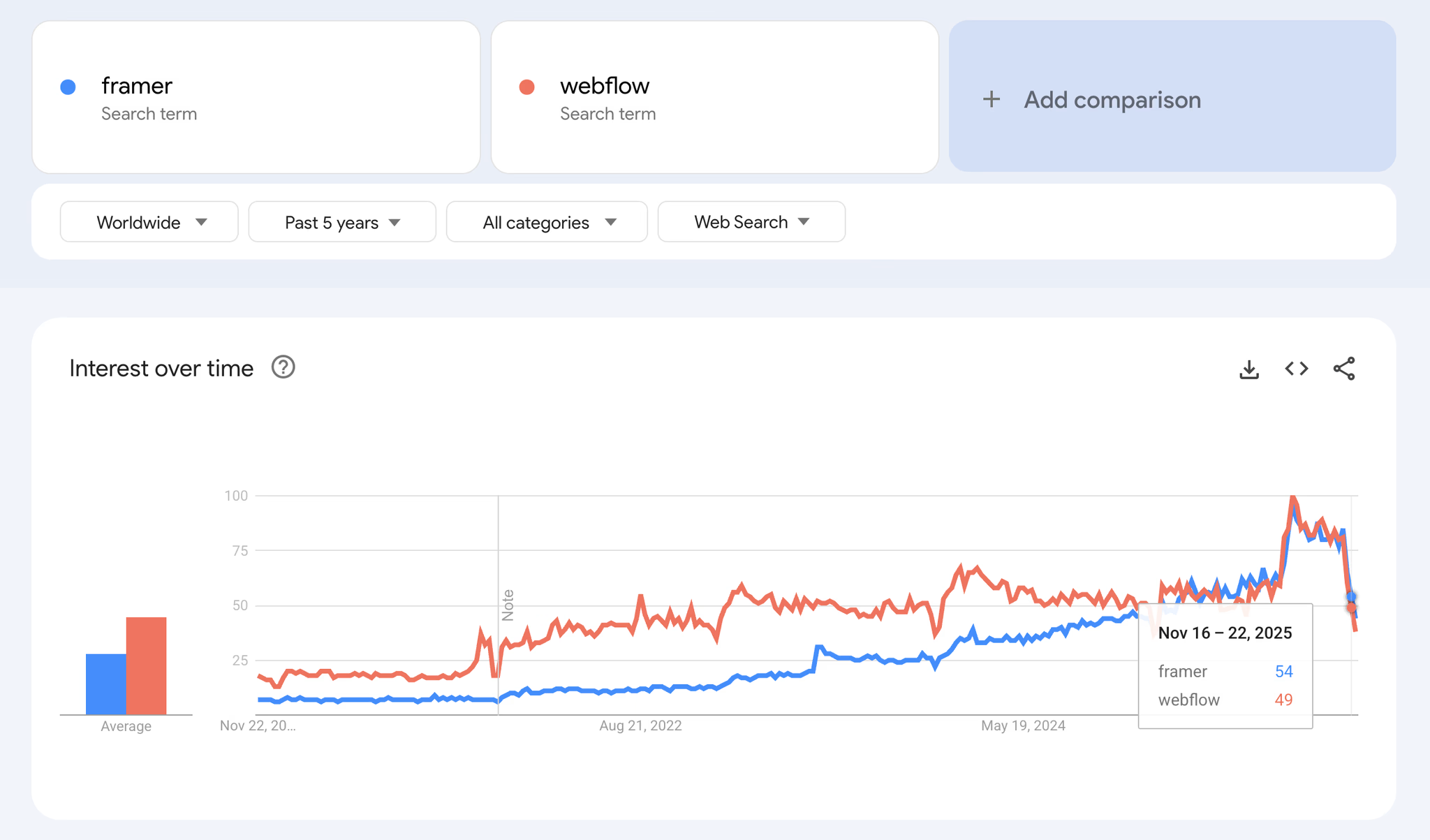
Market shift: November 2025 was the first month Framer ever surpassed Webflow in global Google Trends search interest (54 vs 49) — a meaningful signal about where designer attention is moving.
Launch Dates, Markets, and Who Built Them
Framer — Founded 2015, Amsterdam
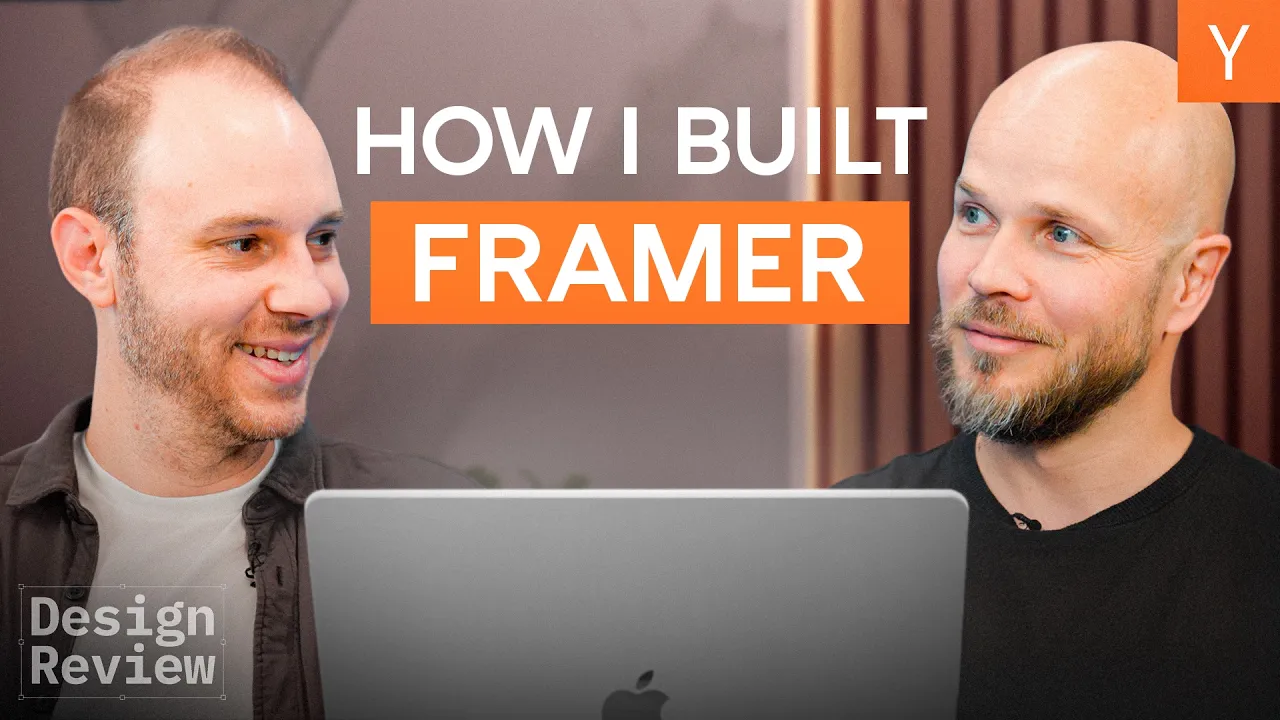
Started as a prototyping tool by Dutch founders Koen Bok and Jorn van Dijk. Pivoted to a full no-code website builder in 2022. Reached profitability in 2025. Raised $100 million Series D from Meritech in August 2025 at a $2 billion valuation. Currently ~150 employees.
Webflow — Founded 2012, San Francisco
Built from day one as a visual development platform by Vlad Magdalin, Sergie Magdalin, and Bryant Chou. Raised $335M+ across multiple rounds, with $120M Series C led by Y Combinator Continuity in 2022 valuing the company at ~$4 billion. Now over 1,000 employees with enterprise sales and procurement teams.

Design Philosophy: Where the Two Diverge
Framer = design tool that ships websites
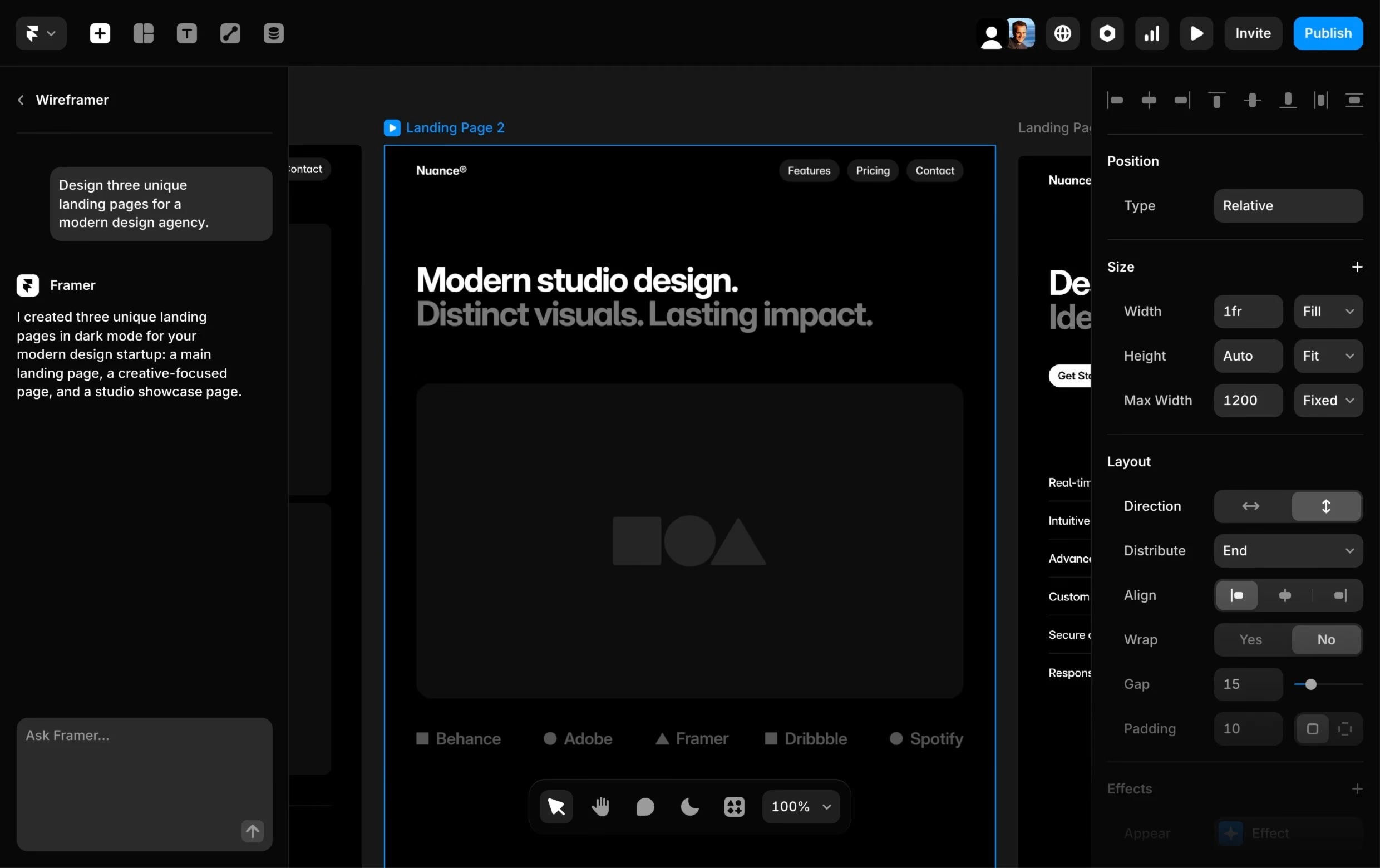
Editor feels like Figma. Direct canvas manipulation. Designers are productive in minutes. AI Wireframer development generates a multi-page site in 60 seconds. Hosted on Vercel Edge — fastest load times in the category.
Webflow = visual development environment
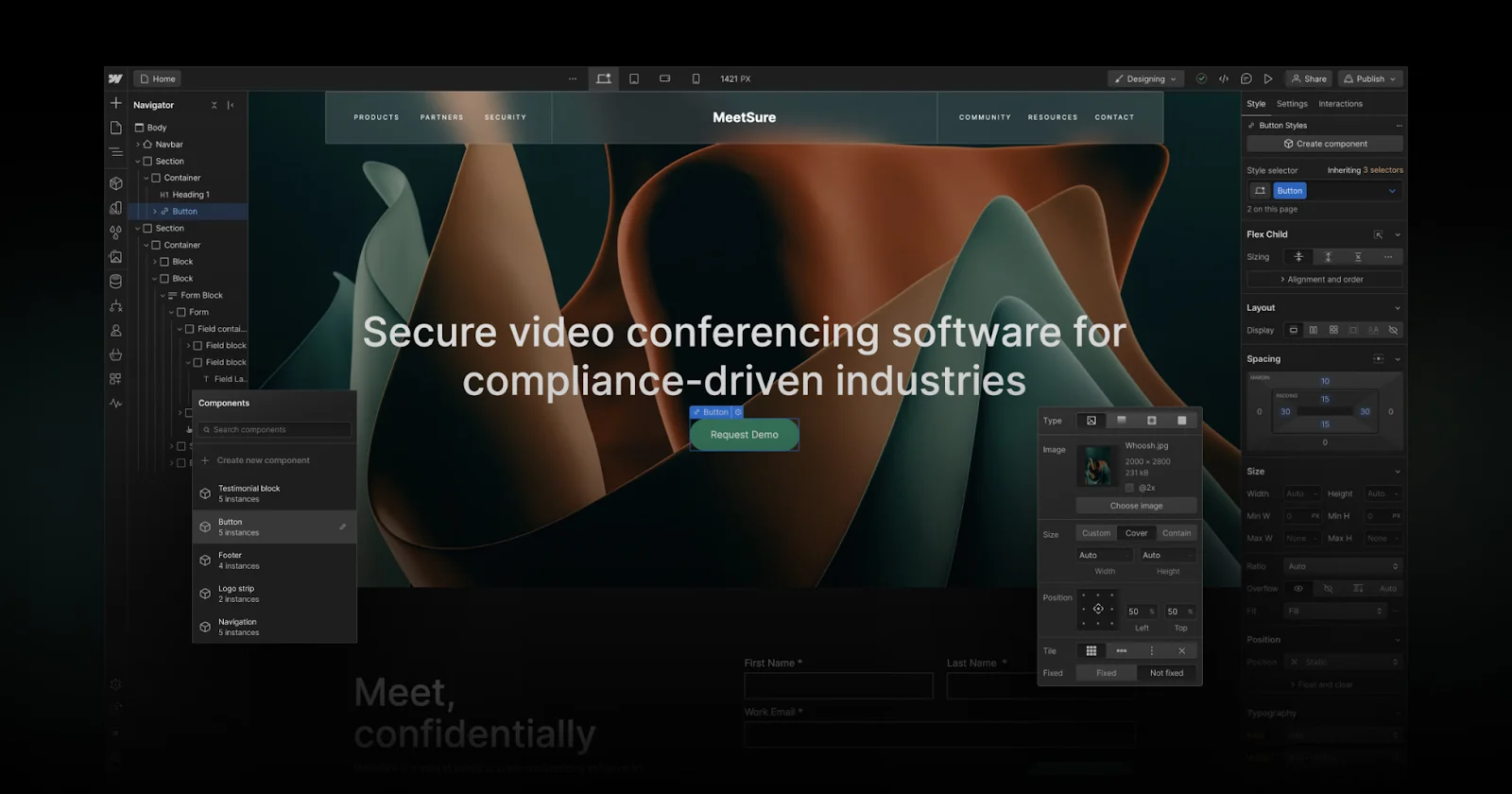
Class-based editor. Steeper learning curve. Powerful relational CMS with nested collections and ~60 fields per collection. Hosted on AWS CloudFront + Fastly with versioned backups. Built for content scale, not visual speed.
Webflow brings structure to creativity. Framer brings creativity to structure.
— Ben Parker, No-Code Trainer, NoCode Summit 2025
Strengths and Weaknesses: An Honest Comparison
Framer Strengths
• Design speed: Wireframer ships a multi-page site in 60 seconds.
• Editor familiarity: Figma-native canvas. Designers feel at home immediately.
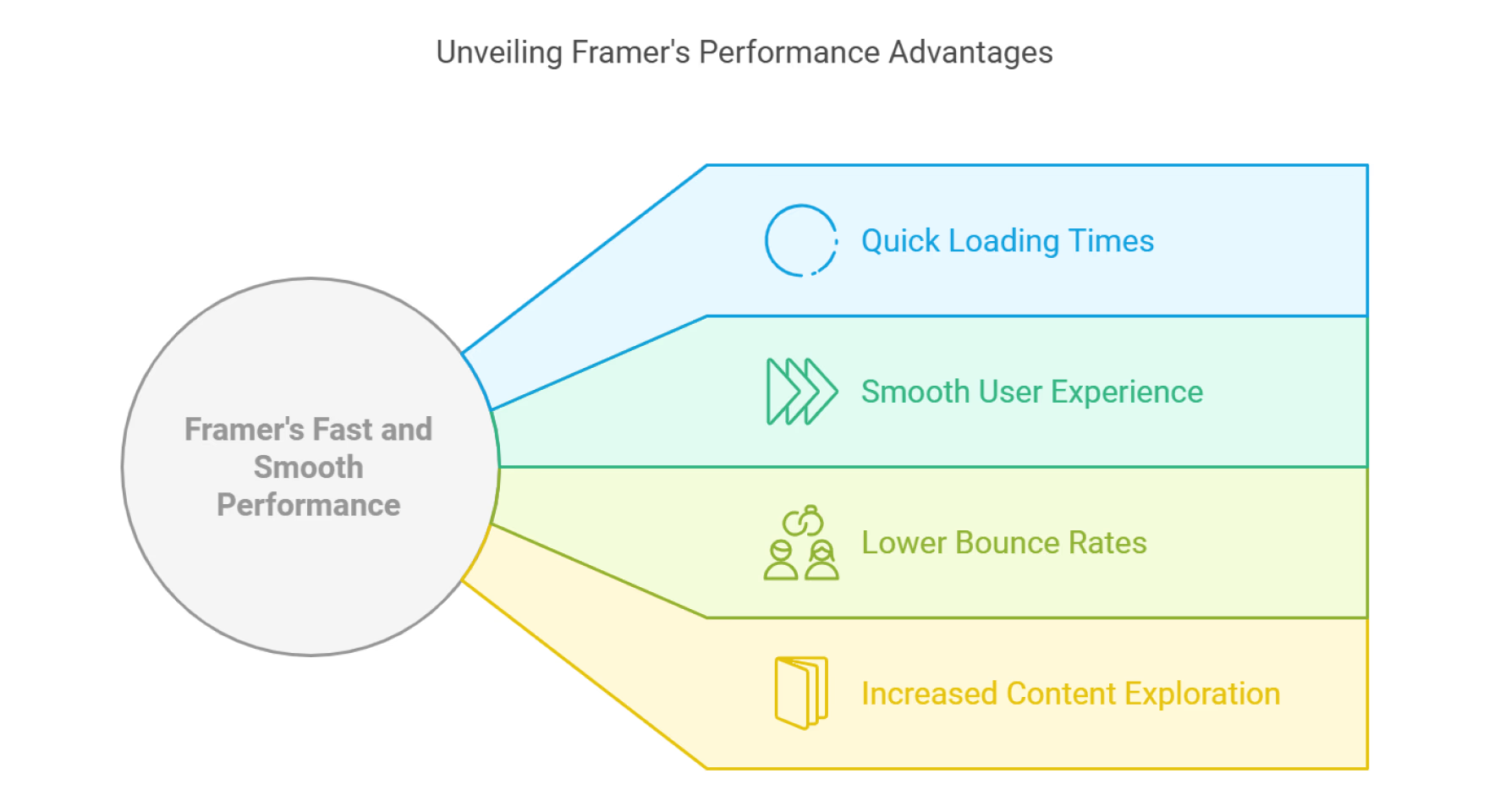
• Performance: Vercel Edge CDN delivers fastest load times in no-code category.
• Pricing: Predictable tiers. No surprise add-ons.
• Momentum: Overtook Webflow in Google Trends in November 2025.
Framer Weaknesses
• CMS ceiling: Hits limits at ~100 items. No true nested collection lists.
• No native e-commerce: Requires Shopify or LemonSqueezy plugins.
• No enterprise compliance: No SOC 2, no ISO 27001. Procurement teams reject it.
• Smaller team: ~150 employees. Webflow has support resources Framer cannot match yet.
Webflow Strengths
• Relational CMS: 20 collection lists per page, ~60 fields each, nested references.
• Enterprise badges: SOC 2 Type II, ISO 27001, SSO, SAML — all enterprise-procurement-ready.
• Native e-commerce: Built-in checkout, products, orders. No plugins needed.
• AEO and Localize: Native AEO audit and multi-language management.
• Scale-tested: 822,550+ sites including TED and Dell.
Webflow Weaknesses
• Learning curve: Class-based editor takes days, not minutes, to master.
• Add-on cost: Optimize ($299/mo), Localize (per-language) inflate pricing fast.
• Speed to ship: Slower than Framer from blank canvas to live site.
• Support: 24/7 support only available on Enterprise tier.
Framer vs Webflow: Full Snapshot
AI in 2026: Two Different Bets
Framer’s bet — velocity
Wireframer (multi-page wireframe in 60 seconds), Workshop (component generation), Vector (icon AI). Goal: collapse the time from design intent to published site to near-zero.
Webflow’s bet — depth
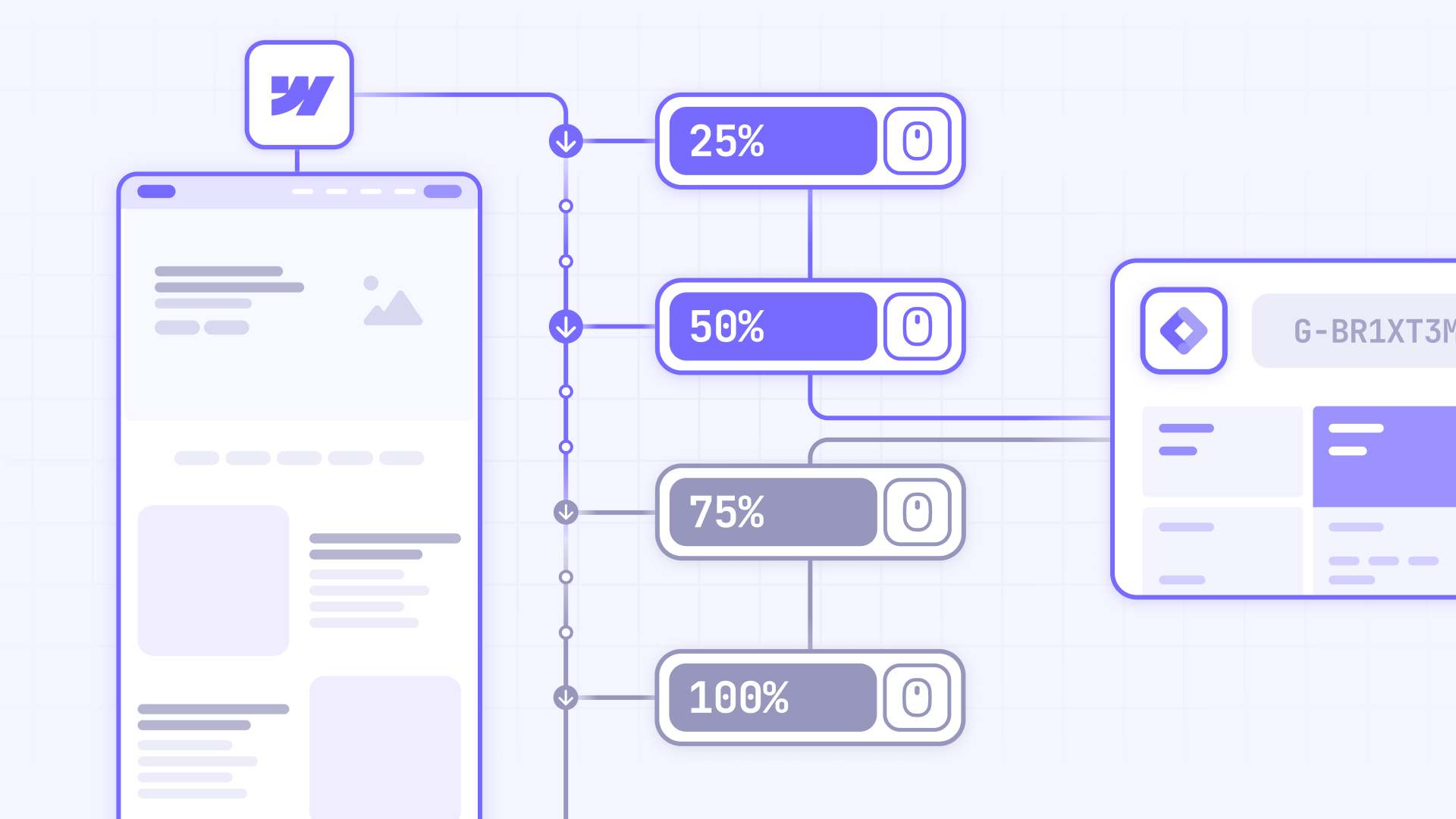
AI Site Builder, AI Assistant, native AEO audit tool, Webflow development Optimize for A/B testing. Goal: weave AI through the entire content and conversion operations workflow.
Both bets are right — for different buyers. Framer’s bet wins for design-led startups where speed is the advantage. Webflow’s bet wins for content-led growth teams where organic search is the channel.
Pricing 2026: What You’ll Actually Pay
Framer pricing
• Free: framer.site subdomain, 1 site.
• Basic: $10/month — custom domain, 150 CMS items.
• Pro: $20/month — unlimited sites, 10,000 CMS items, staging.
• Enterprise: Custom — SSO, SLA, priority support.
Webflow pricing
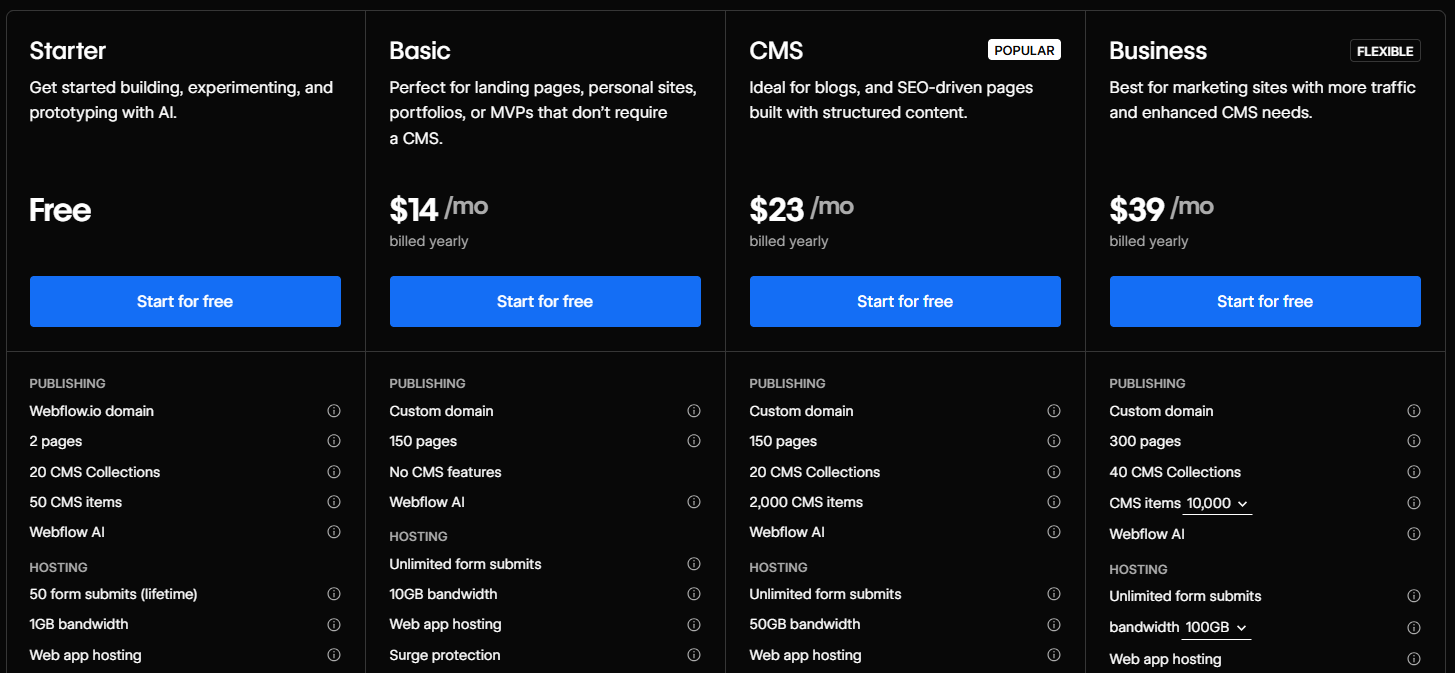
• Free: Development only, webflow.io subdomain.
• Basic: $14/month — simple sites, no CMS.
• CMS: $23/month — the realistic starting tier for content sites.
• Business: $39/month — 10k CMS items, 10 editors, advanced analytics.
• Enterprise + add-ons: Custom + Optimize ($299/mo) + Localize (per language).
Verdict: Framer is cheaper and simpler at small scale. Webflow gets expensive fast once Optimize and Localize are activated — but those add-ons usually pay for themselves through conversion uplift.
The Competitive Field: Who Else Matters
Framer and Webflow are not competing in a vacuum. The broader no-code field includes WordPress (still 43% of all websites), Wix and Squarespace (small business volume), and emerging AI-first builders like Lovable and Bolt.new (vibe coding for full app generation).
But for design-led startups in 2026, the genuine decision is between Framer and Webflow. Everything else either lacks the design quality (Wix, Squarespace), the structural depth (template-based builders), or the maturity (vibe coding tools still produce production-questionable code). Framer and Webflow are the only two platforms that have proven they can scale a startup’s web presence from MVP to growth stage without a developer.
The Verdict: Which One Should Your Startup Choose?
Framer wins on speed and design. Webflow wins on scale and structure. Pick based on where your startup is, not where you wish it was.
Frequently Asked Questions
Q1: Which is better for a pre-PMF startup in 2026?
Framer. Speed of iteration matters more than CMS depth before product-market fit. Wireframer + Vercel Edge CDN + the Figma-native canvas mean you can ship and iterate faster than any other no-code development platform. Migrate to Webflow later if and when content volume or compliance requirements demand it.
Q2: Can a non-technical founder use both without a developer?
Yes — with different effort. Framer is productive within minutes for anyone familiar with Figma. Webflow takes days to learn properly because of its class-based editor and CMS structure. For a non-technical founder who needs results fast, Framer wins.
Q3: Is Framer’s CMS robust enough for a startup blog?
For a lightweight blog under 100 articles, yes. Once your blog becomes a core SEO channel with 100+ articles, structured data, multi-author taxonomy, or AEO requirements, Framer’s CMS becomes the bottleneck. Webflow’s relational CMS was built for exactly that scale.
Q4: When should a startup migrate from Framer to Webflow?
Three triggers: content volume crosses 100 articles, multi-language operations launch, or enterprise procurement starts asking for SOC 2. Migration is not one click — you rebuild structure and reimport content — but it is well-documented and worth the cost when those triggers hit.
Q5: Which platform does ZeeFrames recommend?
It depends on your stage. For early-stage startups, MVP marketing sites, or design-led brands — Framer for speed. For scaling startups with content-led growth, regulated industries, or enterprise procurement — Webflow for depth. ZeeFrames builds on both and matches platform to strategy, not the reverse.
Related Insights





Your next great product decision starts with one conversation.
If your product isn't where you want it to be, 30 minutes with us might tell you why. And more often than not, we're exactly the team to fix it.
Book a Free Discovery Call