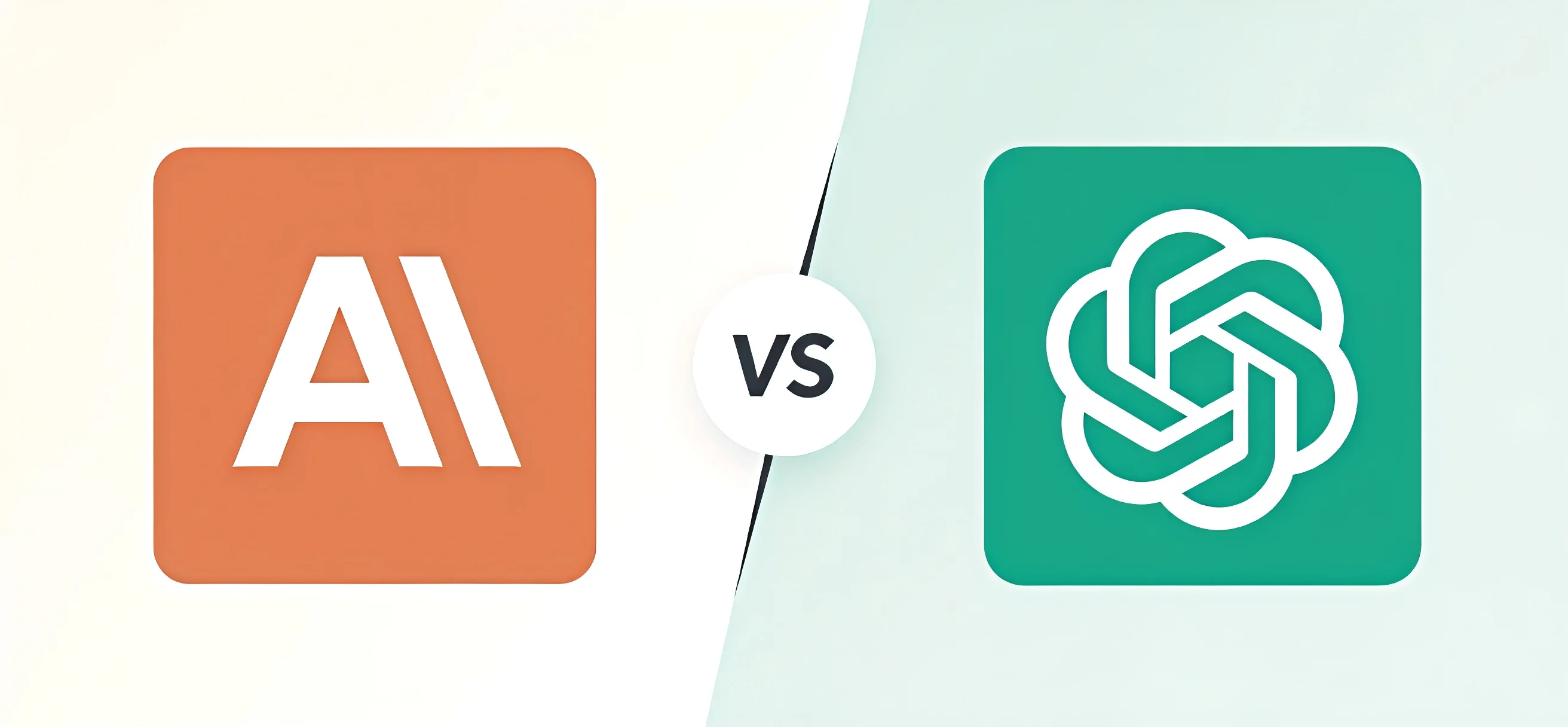
OpenAI vs Anthropic in 2026: Consumer King or Enterprise Challenger?
OpenAI vs Anthropic 2026: founding stories, valuations, revenue, products, safety philosophy, and a clear pick for consumers, developers, and enterprise teams.
In 2026, the most important AI rivalry in the world is no longer about who has the smartest model. It is about two fundamentally different bets on how AI gets to scale.
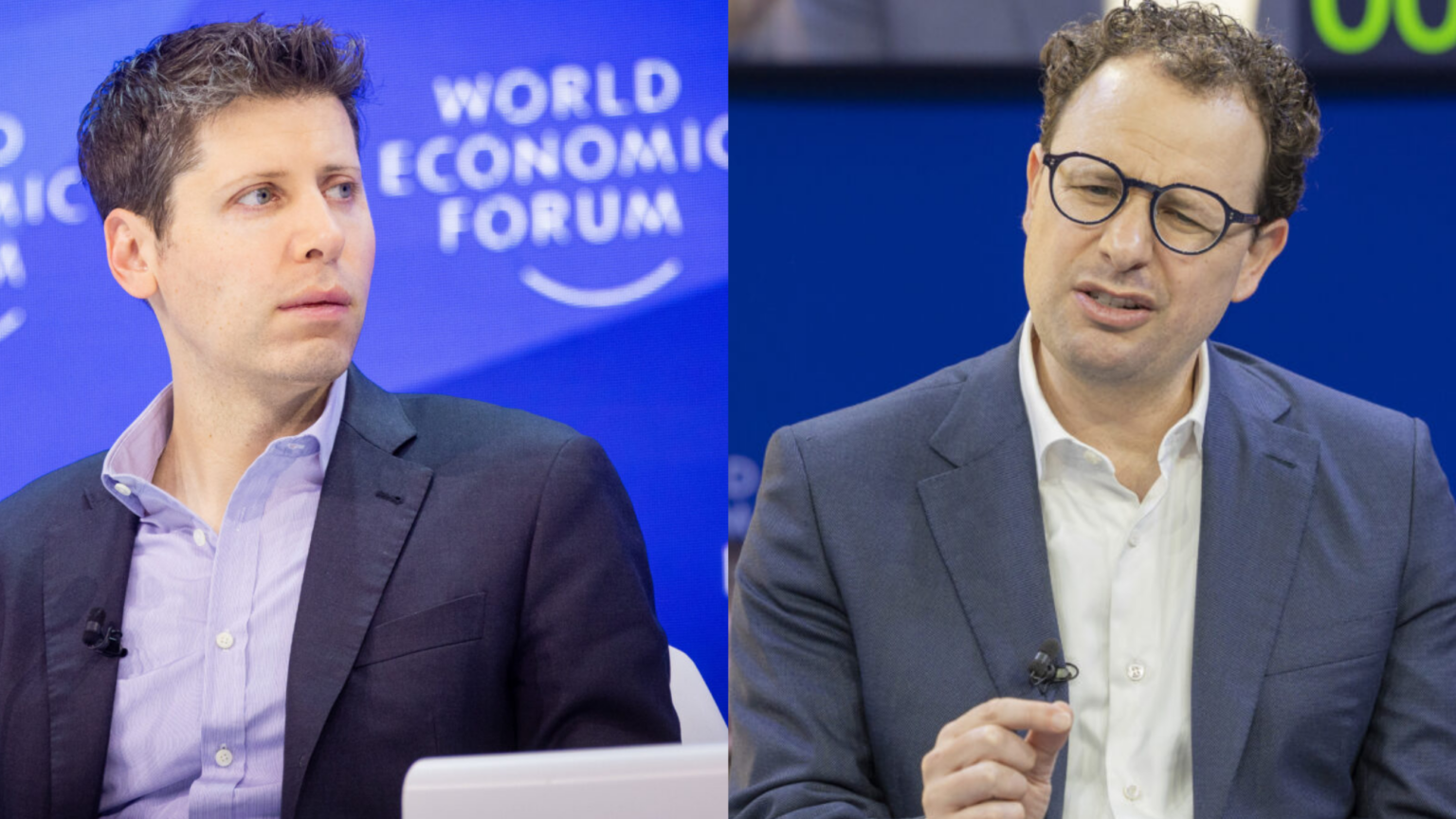
OpenAI 🇺🇸 (San Francisco) built ChatGPT into the fastest-adopted consumer product in history — 900 million weekly active users and an $852 billion valuation. Anthropic 🇺🇸 (San Francisco) chose the opposite path: enterprise-first, safety-led, and slow on the consumer brand. In April 2026, Anthropic’s revenue overtook OpenAI’s — $30 billion run rate vs $24-25 billion.
This guide gives you the data, the trade-offs, and a clear pick for builders, enterprises, and investors.
KEY NUMBERS — APRIL 2026
OpenAI: 900M+ weekly ChatGPT users · $24–25B annualized run rate · $852B valuation · $19.1B equity funding + $40B SoftBank loan + $110B+ Stargate compute commitments. Electroiq · Tech-Insider · April 2026
Anthropic: Claude: 18.9M MAU · $30B+ annualized run rate (overtook OpenAI April 2026) · $380B valuation after $30B Series G in February 2026 · 300k+ enterprise customers. Trendingtopics.eu · Tech-Insider · April 2026
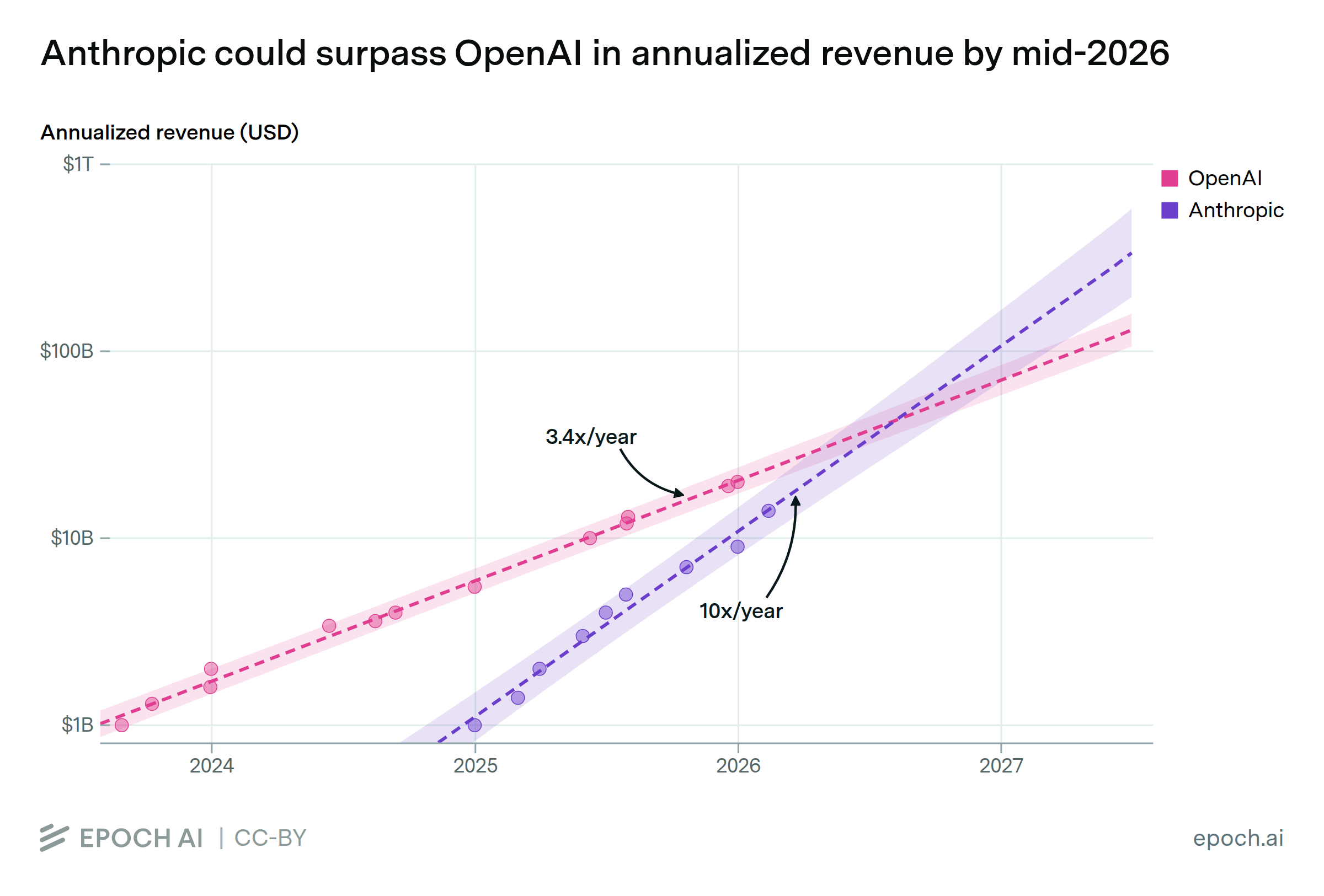
Growth gap: Anthropic grew revenue 10x year-over-year. OpenAI grew 3.4x. Anthropic’s growth rate is the fastest of any AI company in history, and explains why secondary markets pushed its implied valuation past $800B in early 2026. Epoch AI · February 2026
Launch Dates, Markets, and Who Built Them
OpenAI — Founded December 2015, San Francisco
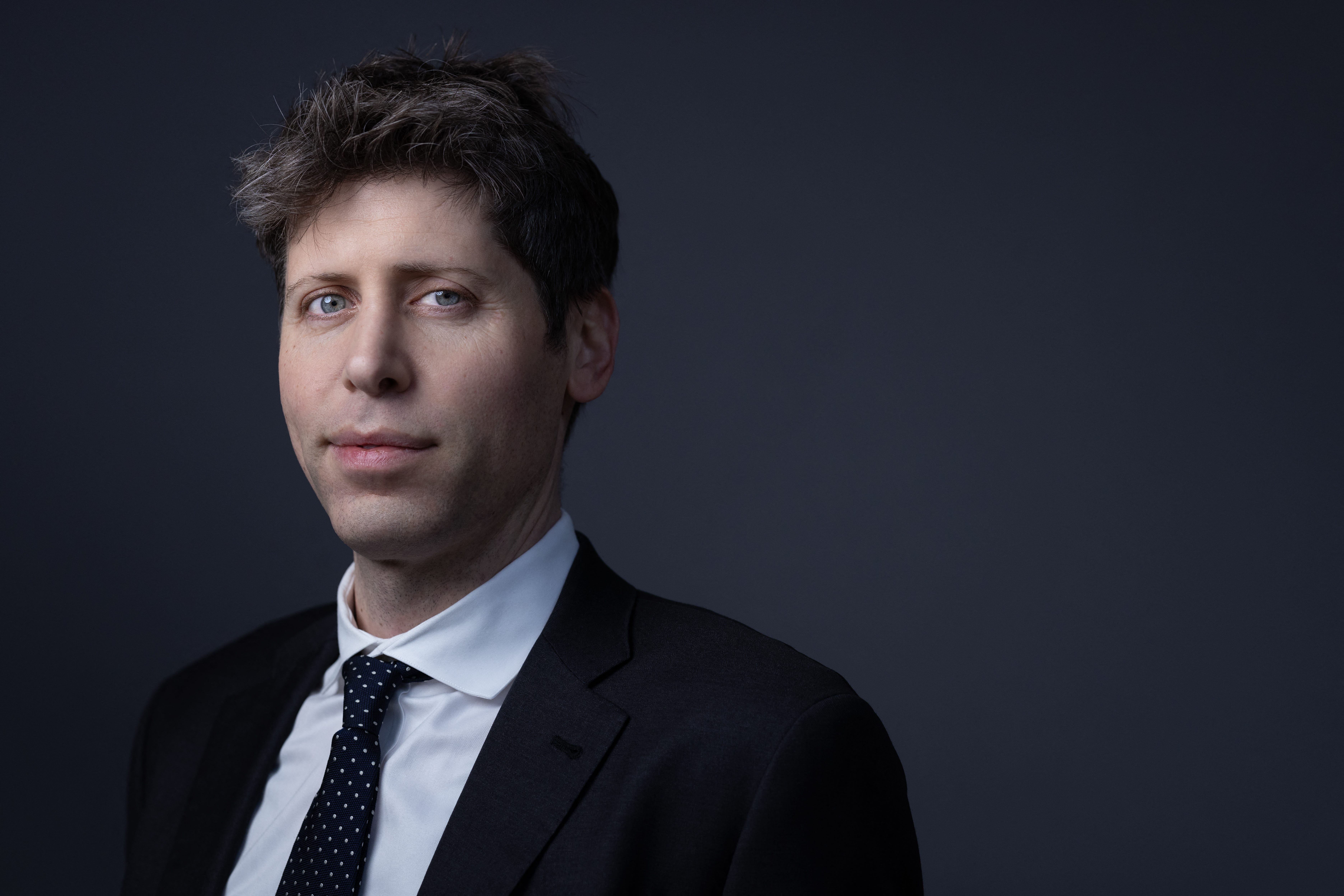
Started as a non-profit research lab co-founded by Sam Altman, Elon Musk, Ilya Sutskever, Greg Brockman, and others. Pivoted to a capped-profit structure in 2019. Launched ChatGPT in November 2022, triggering the modern AI boom. Currently restructuring into a for-profit company. Closed early-2026 funding at an $852 billion valuation.
Anthropic — Founded 2021, San Francisco
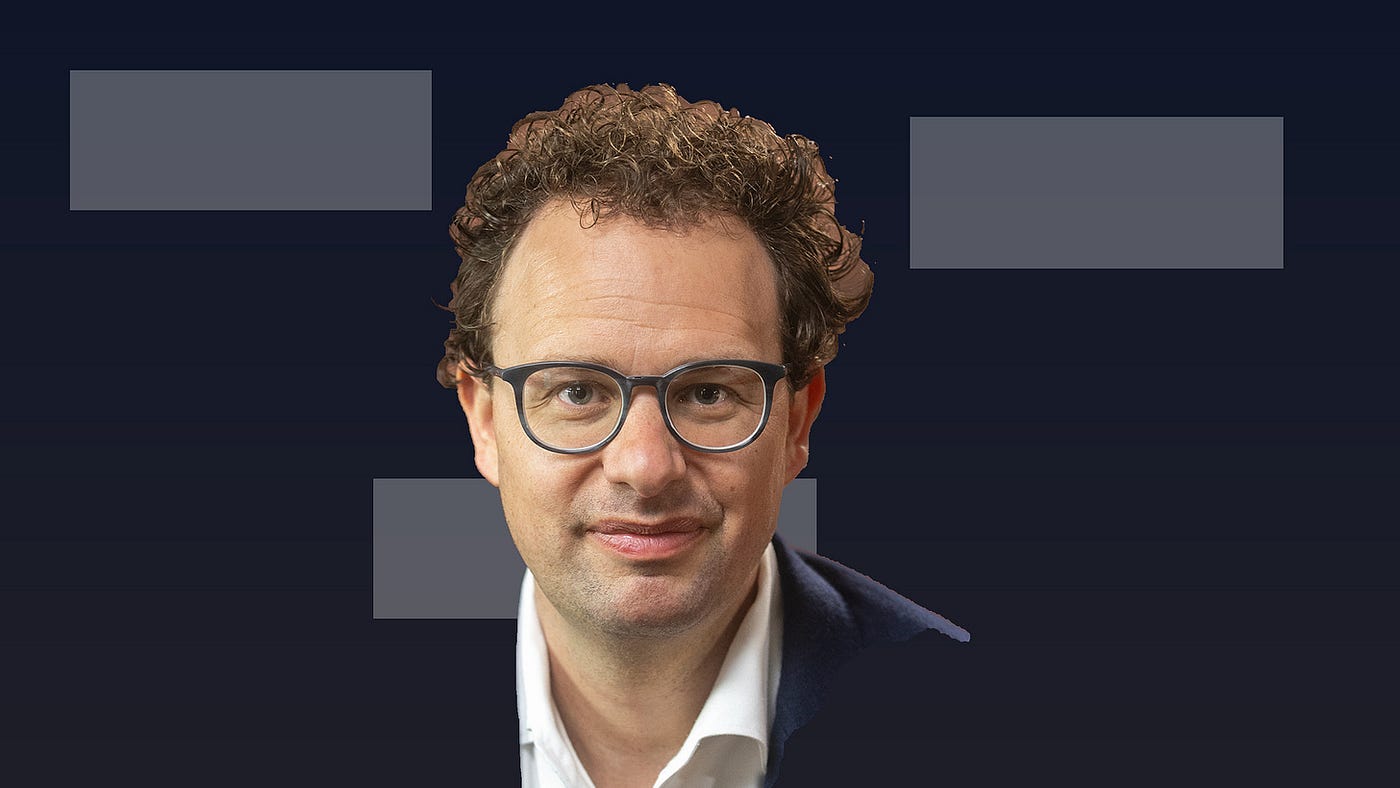
Founded by Dario Amodei and Daniela Amodei, both former OpenAI researchers, who left to build AI with stronger safety guarantees. Structured as a Public Benefit Corporation — a deliberate legal commitment that the company is responsible to society, not just shareholders. Raised $30 billion Series G in February 2026 at a $380 billion post-money valuation, led by GIC and Coatue.
Strategic Philosophy: Where the Two Diverge
OpenAI = consumer-first, ecosystem-wide
Built the brand. ChatGPT is a verb. Sells everything: chat, voice, image generation, video (Sora), agents, plugins, custom GPTs. Microsoft Azure is the primary cloud partner; Microsoft holds $13B+ in cumulative investment. Strategy: own the consumer AI category and monetize across every adjacent product.
Anthropic = enterprise-first, safety-led
No consumer scale story. Focused entirely on building AI that enterprises in regulated industries can trust with sensitive work. Constitutional AI training method, Responsible Scaling Policy, Public Benefit Corporation structure. AWS and Google Cloud are primary partners. Strategy: become the AI infrastructure of the Fortune 500.
The question for every company in 2026 is not whether to use AI. The question is which AI to trust with your most sensitive work.
Dario Amodei, CEO, Anthropic
Strengths and Weaknesses: An Honest Comparison
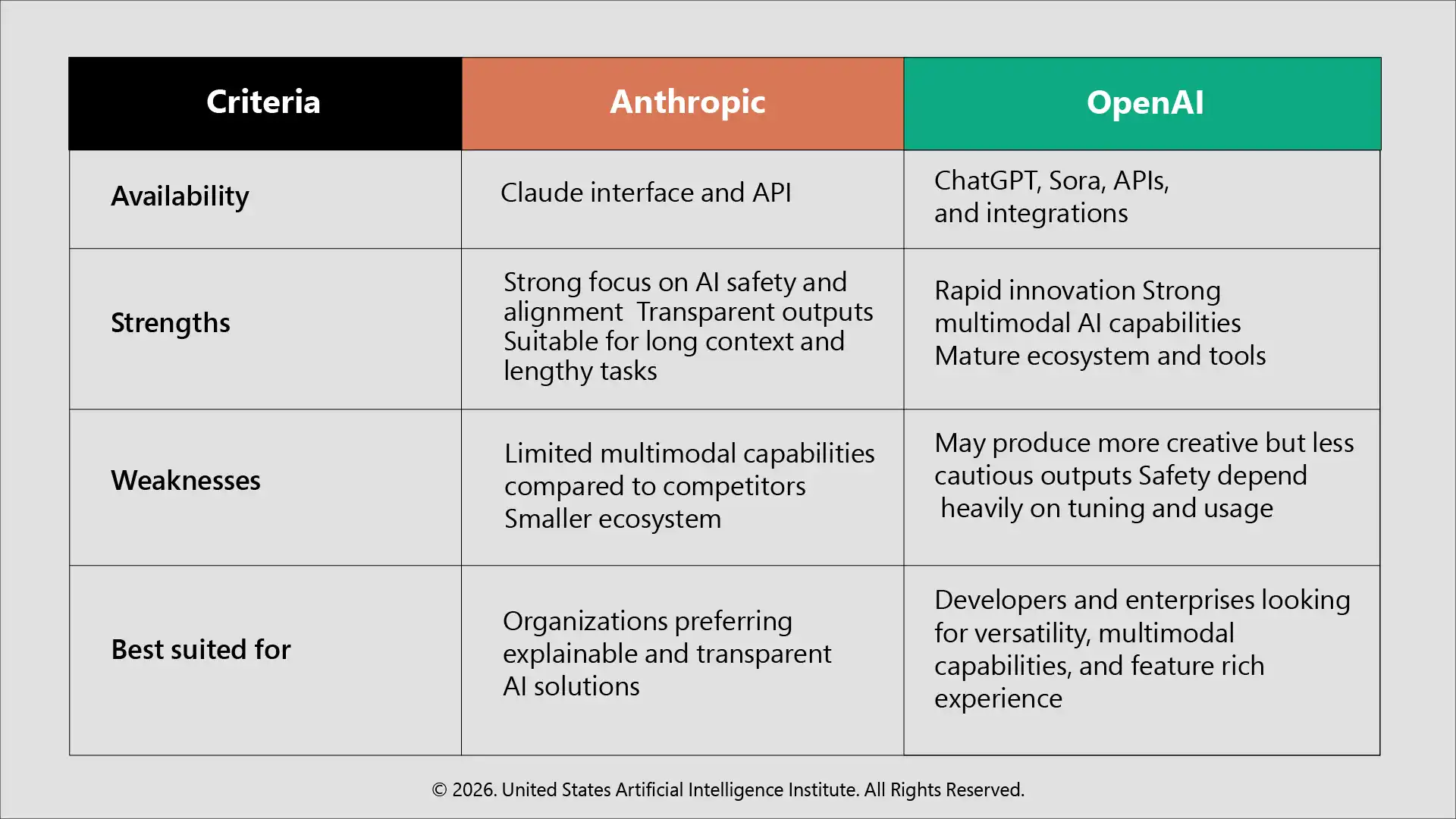
OpenAI Strengths
Consumer scale: 900M weekly active users on ChatGPT — fastest-adopted technology in history.
Product breadth: Text, voice, image, video (Sora), agents, custom GPTs — widest product line.
Microsoft partnership: Deep Azure integration. Copilot powered by GPT models reaches 400M+ Microsoft 365 users.
Brand equity: ChatGPT is the default name people use to mean ‘AI.’ Brand recall remains massive.
Capital firepower: $852B valuation + $40B SoftBank loan + $110B+ Stargate — most capital of any AI company.
OpenAI Weaknesses
Profitability gap: HSBC estimates a $14 billion loss in 2026 alone. Profitability not expected before 2030.
Safety reputation: Key safety researchers departed in 2024. Mixed reputation among AI safety community.
Corporate uncertainty: For-profit restructuring may slip into 2026. CPO departure. Microsoft IP negotiations ongoing.
Enterprise gap: Anthropic’s enterprise revenue has overtaken OpenAI’s despite massively smaller scale.
Anthropic Strengths
Revenue growth: 10x year-over-year — fastest of any AI company in history. Overtook OpenAI in April 2026.
Enterprise trust: 300k+ business customers. 45% of API traffic is enterprise. Trusted in regulated industries.
Safety credibility: Constitutional AI + Responsible Scaling Policy + Public Benefit Corporation structure.
Long context: Claude Opus 4.6 + Sonnet 4.6: 1M tokens. 2.5x to 4x larger than GPT-5.4 (272K) or GPT-5 Pro (400K).
Coding dominance: Claude Code reached $2.5B run-rate revenue by Feb 2026. Industry standard for AI coding.
Anthropic Weaknesses
Consumer reach: Claude has 18.9M MAU vs ChatGPT’s 900M. Massive gap in public awareness.
Product narrowness: No native image generation, voice mode, or video. Focused on text and code only.
Capital gap: $64B total funding vs OpenAI’s $110B+ total commitments. OpenAI has more firepower.
Dependence on partners: AWS and Google as compute partners create concentration risk. OpenAI similarly dependent on Microsoft.
OpenAI vs Anthropic: Full Snapshot
TABLE 1 — Company Snapshot: Origin, Scale, Capital, Products, Future
Sources: Trendingtopics.eu (Apr 2026) · Tech-Insider (Apr 2026) · Epoch AI (Feb 2026) · Electroiq (Feb 2026) · SQ Magazine · official company communications
Products in 2026: What Each Company Sells
OpenAI product portfolio
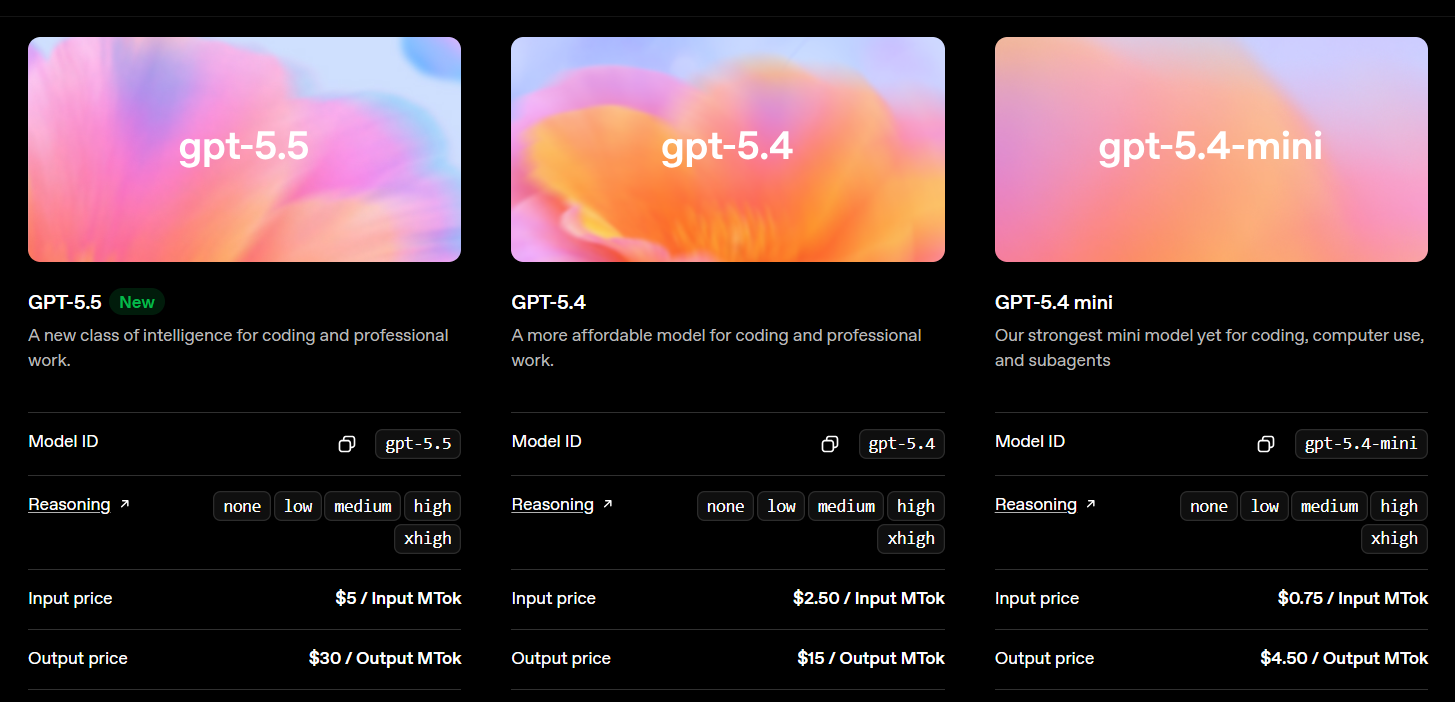
ChatGPT (consumer), GPT-5.4 + GPT-5 Pro APIs, Sora (video generation), DALL-E (image), Voice Mode, Codex (coding), Custom GPTs, ChatGPT Enterprise, ChatGPT Government. Microsoft Copilot is powered by OpenAI models. Acquired hardware startup io ($6.5B) to develop AI devices.
Anthropic product portfolio
Claude (Opus, Sonnet, Haiku) via Claude.ai and API. Claude Code (terminal agent for software engineering). Claude for Enterprise. MCP (Model Context Protocol) connector. Integrations with AWS Bedrock and Google Cloud Vertex AI. No image, voice, or video generation. Deliberately focused product line.
Future Trajectory: What Each Company Is Betting On
OpenAI — infrastructure dominance
Stargate: $500 billion four-year buildout with SoftBank, Oracle, and MGX. Stargate Norway with Nscale Global and Aker for 100,000 Nvidia GPUs by end of 2026. $200M US Department of Defense contract. Restructure into a for-profit company expected to complete during 2026.
Anthropic — enterprise expansion + potential IPO
Goldman Sachs, JPMorgan, and Morgan Stanley are advising on a potential October 2026 IPO that could raise $60B+. Secondary market offers reportedly reached $800 billion in April 2026 (Anthropic declined). Multi-gigawatt infrastructure agreement with Google and Broadcom. $50B commitment to American AI infrastructure announced November 2025.
The Competitive Field: Who Else Matters
OpenAI and Anthropic are not competing in a vacuum. Google’s Gemini reached 18.2% global market share by January 2026 — the fastest-growing AI platform of the year. DeepSeek’s R1 launch in January 2025 triggered a $1 trillion US tech market wipeout and proved frontier AI can be trained for $5.5 million. xAI’s Grok went from 1.6% to 15.2% of the US mobile AI market in twelve months.
Yet the genuine two-horse race for the AI lab category remains OpenAI and Anthropic. They are the only two companies above $20 billion in annualized revenue. They are the only two valued above $300 billion. Every other player is competing for third place. Where Gemini wins on distribution, DeepSeek wins on cost, and Grok wins on real-time data, OpenAI and Anthropic are competing for the foundation of how AI gets built and deployed at global scale.
The Verdict: Which One Should You Choose?
TABLE 2 — Head-to-Head Verdict: Who Wins on What
Recommendations based on revenue data, model capabilities, enterprise adoption patterns, safety positioning, and product breadth · April 2026
OpenAI wins on scale and brand. Anthropic wins on enterprise trust and safety. Pick the one whose strengths match your use case, not the one with the louder PR cycle.
Frequently Asked Questions
Q1: Did Anthropic really overtake OpenAI in revenue?
Yes — in April 2026. Anthropic’s annualized run rate reached $30 billion compared to OpenAI’s $24-25 billion. The crossover happened earlier than the August 2026 prediction by Epoch AI. The driver: Anthropic’s enterprise-first strategy generated 10x year-over-year revenue growth, the fastest in AI software development company history. OpenAI still leads on consumer scale (900M weekly users vs Claude’s 18.9M MAU).
Q2: Which AI is safer to use for sensitive enterprise work?
Anthropic, by a meaningful margin. Constitutional AI training, the Responsible Scaling Policy with defined safety levels, and a Public Benefit Corporation legal structure give enterprises in regulated industries (finance, healthcare, legal, government) stronger guarantees than OpenAI currently offers. 45% of Anthropic’s API traffic comes from enterprise customers — the highest enterprise concentration of any AI lab.
Q3: What is the context window difference between Claude and GPT?
Significant. Claude Opus 4.6 and Sonnet 4.6 both support 1 million tokens of context — the equivalent of a full novel or a large codebase processed in one session. GPT-5.4 supports 272K tokens. GPT-5 Pro supports 400K tokens. Anthropic leads by 2.5x to 4x on context window size, which matters most for legal documents, codebase analysis, and long research synthesis.
Q4: Is OpenAI profitable?
No. HSBC estimates OpenAI will lose $14 billion in 2026 alone, with cumulative losses reaching $44 billion between 2023 and 2028. Profitability is not expected before 2030. Anthropic’s loss trajectory is less public, but its faster revenue growth relative to capital raised suggests a more efficient path to profitability. Both companies are spending aggressively on compute infrastructure to maintain frontier model leadership.
Q5: Should developers use OpenAI or Anthropic APIs?
It depends on the use case. For consumer apps needing multimodal capability (voice, image, video), OpenAI’s breadth wins. For coding agents, long-document processing, regulated industry deployments, or safety-critical applications, Anthropic is the stronger choice. Many serious AI products use both — OpenAI for breadth and consumer features, Anthropic for code generation and structured enterprise output. The 2026 AI stack is increasingly multi-provider.
Related Insights
Your next great product decision starts with one conversation.
If your product isn't where you want it to be, 30 minutes with us might tell you why. And more often than not, we're exactly the team to fix it.
Book a Free Discovery Call